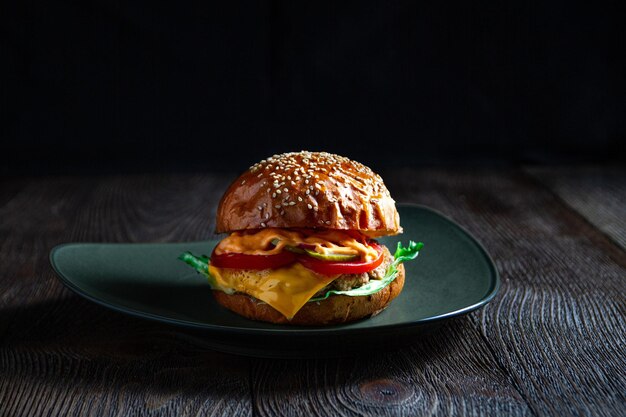
The Bourdain Burger at Goodfriend Is Still Dallas's Best. Here's Why It Endures On Its 10th Anniversary
A burger that has outlasted food trends, celebrity chef departures, and a pandemic sits on a plate in Dallas with the kind of staying power that most restaurant dishes never achieve. The Bourdain Burger, now marking a decade of service, remains a draw for diners who understand that sometimes a single menu item can define a restaurant's identity and place in local food culture.
The burger's longevity says something about how Dallas eats and what keeps people returning to the same spot year after year. It's not the most elaborate dish, nor is it gimmicky. What it represents is consistency in an industry that thrives on novelty and constant reinvention.
What Makes a Burger Last
The staying power of a single dish usually comes down to a few interlocking factors: the quality of ingredients, the skill in execution, and something less tangible—a sense that the restaurant understands what the burger is supposed to do. The Bourdain Burger has managed all three.
A burger that endures doesn't need to change. Dallas diners know this. The city has watched enough restaurants chase trends only to close within a few years. A dish that works works, and people are willing to drive across town to order it again.
The burger also exists in a kitchen where cooks understand proportion and timing. Those aren't flashy skills. They don't translate well in promotional photos or viral social media posts. But they're the difference between a burger that tastes good on opening day and one that tastes the same way a decade later.
The Dallas Food Moment
The burger arrived at a moment when Dallas's food scene was shifting. The city was moving past the era of steakhouse dominance and beginning to take serious interest in neighborhood restaurants, casual spots that could hold their own against fancier establishments. A burger that could command attention in that landscape had to be more than functional.
The name itself tied the dish to a larger conversation about food, travel, and storytelling that was reshaping how Americans thought about eating. That cultural moment faded, but the burger remained. It became a living artifact of when Dallas was just starting to see itself as a food city worth paying attention to.
Restaurants that survive tend to build a kind of trust with their regular customers. People return not because they're chasing the next new thing, but because they know what they're going to get. The Bourdain Burger created that relationship. It gave people a reason to come back.
A Fixture in the Restaurant Landscape
Ten years is a meaningful span in the restaurant business. Most new establishments don't make it past the first few years. A dish that stays on the menu for a decade while the dining landscape around it shifts is rare enough to deserve notice.
Dallas has lost and gained many restaurants in that span. Neighborhoods have changed. Diners have moved. But the burger has remained steady, a constant in a city that's always remaking itself.
The anniversary marks not just the burger's survival, but the restaurant's stability in a volatile industry. That kind of staying power reflects something about how well the restaurant understands its place and its people.
What Endurance Means Now
In a food culture that often prioritizes innovation and Instagram-worthiness, a burger that works and asks nothing more than to be eaten well represents a kind of quiet rebellion. It's a reminder that sometimes the best food writing, the best restaurant moments, come from simplicity executed with care.
The Bourdain Burger's ten years in Dallas says that good food doesn't have to shout. It just has to be there when people come looking for it, and it has to be as good as they remember it being the last time they ordered it.