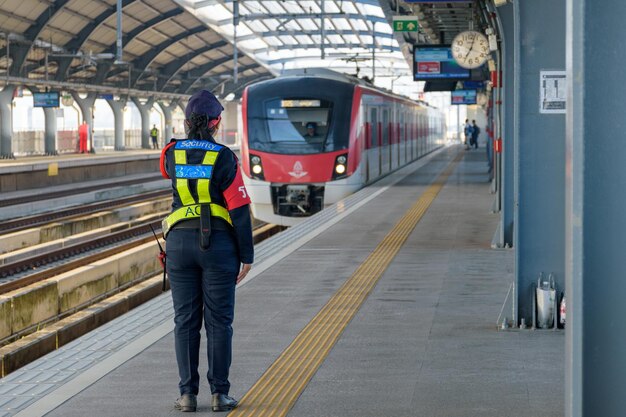
DART in 2026: Light Rail, Bus, GoPass, and How to Navigate the Full Network
The transit system is reshaping how commuters move across the region. A major expansion combining light rail, bus service, and a unified payment system is coming, and understanding how the pieces fit together now will help riders prepare for what's ahead.
The shift reflects a broader effort to give commuters more options and make it easier to switch between different types of service. Whether you drive, take the bus, or use rail, the changes will affect how you plan your trips and where you can go.
What's Coming in the Transit Network
The light rail system continues to grow as a backbone for moving large numbers of people along major corridors. Bus routes are being redesigned to feed into rail stations and serve areas where rail isn't practical. The GoPass unified payment system aims to eliminate the friction of carrying multiple cards or figuring out separate fares for different services.
For commuters, this means one account could work across the entire network. You won't need to buy a bus pass and a rail card separately, and you won't waste time at a ticket machine before boarding. The system is designed around the idea that a trip might start on a bus, continue on rail, and finish on another bus—all with one payment method.
Making Sense of the Bus Redesign
Bus service is being reorganized around the rail network rather than scattered independently. This concentrates frequent service on core routes that connect to rail stations, while other routes fill in the gaps in neighborhoods where light rail doesn't reach.
Peak-hour service on major corridors will be more frequent and reliable. Off-peak and evening routes may see changes as the system shifts resources. The idea is that buses become connectors to the rail spine rather than parallel competitors, making the overall network faster and more predictable.
Commuters should check updated route maps and schedules as implementation approaches. What worked as a standalone bus route might now function as a feeder line to a rail station—potentially saving time despite a shorter bus ride if the rail connection is faster overall.
Light Rail Expansion and Coverage
The light rail network will reach more areas, putting rail access within reach of riders who previously relied on buses or cars. Extended lines mean new stations and new commuting options for suburbs and outlying corridors.
Parking and pick-up zones near stations are being planned to support "park and ride" commuting, where drivers leave their cars and switch to rail for the main journey. This hybrid approach appeals to people who live too far from rail for walking but want to avoid driving downtown or to a major employment center.
Understanding GoPass and Payment Integration
GoPass is the unified payment platform that will work across light rail, bus, and potentially other transit modes. A single tap or scan covers your entire trip, no matter how many vehicles you use.
The system can accommodate monthly passes, daily passes, and pay-as-you-go options. Discounts for students, seniors, and low-income riders will remain available through the same payment method. You manage your account online or through a mobile app, adding credit or selecting pass types without visiting a ticket booth.
For occasional riders, GoPass eliminates the guesswork of which ticket machine accepts which payment method. For regular commuters, it simplifies budgeting and removes the need to track multiple cards.
Planning Your Trips in 2026
When the expanded network launches, riders should expect transition periods as service changes take effect. Some bus routes will shift timing or geography. Rail service will open on new segments. Maps and apps will be updated, but getting familiar with the new layout ahead of time pays off.
Commuters driving to work might find that a park-and-ride near an expanded rail station cuts total commute time, especially during peak hours when traffic on major corridors builds quickly. Those currently on bus-only routes should check whether a new rail connection nearby offers a faster option.
The transportation authority will provide updated information as 2026 approaches, including maps, schedules, and details on GoPass enrollment. Using those resources early will help you find the best route for your trips and take advantage of what the expanded system offers.