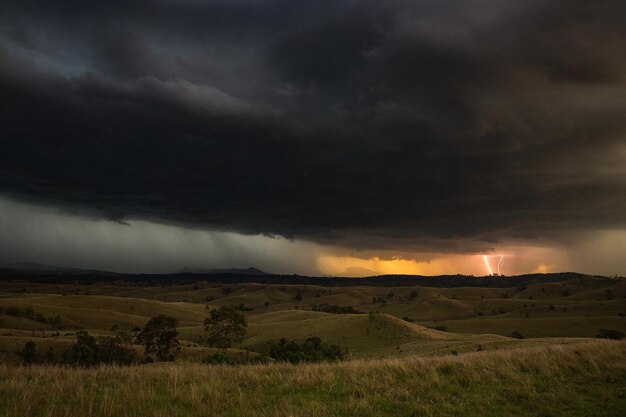
Dallas Spring Weather Guide: Tornado Season, Hail Prep, and the Best Free Alert Apps
Spring in Dallas brings renewal—and weather that demands respect. From tornado season to hail storms, the next few months will test how ready you and your home really are. Knowing what to expect and how to stay informed can mean the difference between panic and preparedness.
The North Texas spring pattern is shaped by warm, moist air colliding with cool, dry systems moving down from the plains. That collision zone often sits right over Dallas, creating conditions favorable for severe weather. Tornadoes, large hail, and damaging winds become real threats during these months. Getting ahead of the season—before the first storm warning—gives you time to shore up your plan without the pressure of a storm bearing down.
When Severe Weather Peaks
Spring is Dallas's most active severe weather season. Afternoon and evening storms can develop quickly, especially when warm days are followed by atmospheric instability. Wind shear and moisture combine to fuel rotating thunderstorms that can spawn tornadoes or produce hail large enough to dent cars and puncture roofs.
Most residents know that severe weather can happen. Fewer have a specific plan. A family meeting about where to shelter—basement, interior room on the lowest floor, or a designated safe room—takes minutes but pays dividends when a warning arrives. Identify your safest spot now, while the weather is calm.
Hail: The Hidden Cost
Hail damage often sneaks up on homeowners. A storm that looks minor from indoors can leave your roof, gutters, AC unit, or car badly dented. Large hail can break windows. After any significant storm, a visual inspection of your roof and siding can catch damage early. Insurance claims are easier to file when you document the damage promptly with photos.
Consider asking your insurance agent whether your policy covers hail damage and what your deductible is. Some homeowners upgrade their coverage before spring arrives. Others install hail guards over air conditioning units or park vehicles in covered spaces during active weather days.
Real-Time Alerts: Apps and Tools
Your smartphone is your first line of defense. Several free weather alert apps deliver warnings directly to your phone without requiring you to monitor the forecast constantly.
Weather apps from major broadcasters and the National Weather Service offer push notifications for tornado warnings and severe thunderstorm alerts specific to your location. Many allow you to customize alerts—receiving notifications only for your county or neighborhood—so you're not bombarded with distant storms.
NOAA Weather Radio, available as both a hardware device and a smartphone app, broadcasts all official warnings and watches. The hardware version is popular in homes and basements because it works even if your internet goes down. Some models include battery backup and alert features that trigger automatically.
Local news station apps often include interactive radar and storm tracking, letting you watch storms develop in real time. Having multiple alert sources is smart; if one fails, another catches the warning.
Preparation Checklist
Before spring storms arrive in force, walk through your home and yard. Trim tree branches that hang over your roof or near power lines. Secure outdoor furniture and trash cans that wind could toss. Know where your water shutoff and circuit breaker are located in case a storm causes damage.
Stock a battery-powered flashlight, first aid kit, and bottled water in your safe room. Keep important documents in a waterproof container. If you live in a mobile home or a building with no interior rooms, identify a sturdy shelter nearby—a public building or friend's house—you can reach quickly if a tornado warning arrives.
Staying Storm-Ready
Dallas spring weather isn't predictable down to the hour, but its general patterns are well understood. Hotter, more humid days early in the season often precede afternoon and evening storm development. Dry stretches can be interrupted suddenly by an active pattern that lasts days or weeks.
Staying informed is half the battle. Set up your alert apps now, not the day a storm arrives. Review your safe room with your family. Check your home's vulnerable spots. When spring storms do come—and they will—you'll be ready.